Accomplishing Perfect Vision Via SMILE Eye Surgical Procedure


Team Author-Lau Levy
Thanks to advancements in healthcare technology, attaining flawless vision has grown more accessible than ever. The most transformative procedures in the last decade is SMILE eye surgery. This non-invasive technique is created to address frequent vision problems, particularly short-sightedness, providing a potential solution for millions of people who rely on spectacles or contacts. As you consider the possibilities of SMILE laser eye surgery, you may wonder about its advantages, expenses, and how it contrasts with other vision correction methods.
In this write-up, we will explore what SMILE eye surgery involves, how it functions, and the recovery process required. We will also examine the advantages of the SMILE procedure for nearsightedness and provide a thorough contrast of SMILE versus PRK, a different popular eye surgery. With insights on adverse reactions and overall efficacy, this thorough manual aims to offer you with a clearer comprehension of SMILE eye surgery, moving you one step nearer to achieving perfect eyesight.
What’s SMILE Eye Surgery Vision Treatment?
SMILE Eye Surgery stands as a revolutionary laser eye medical treatment intended to treat nearsightedness and vision distortions. Unlike standard optical correction techniques, this technique makes use of a less invasive approach. It involves making a tiny incision in the outer layer of the eye to extract a lenticule, which alters the eye's surface to enhance visual clarity. This procedure offers exactness and ease, making it an appealing alternative for many patients looking to improve their eyesight.
The process starts with the use of a targeted device, that creates the lenticule within the eye tissue. Once the disc is created, a small opening is executed through which the doctor carefully extracts the lenticule, thereby modifying the curvature of the eye's surface. This special technique allows for a less traumatic surgery when contrasted with alternative surgeries, where larger incisions are typically needed. The full process usually lasts about 30 minutes long, with many individuals noticing instant improvements in their sight.
One of the compelling points of SMILE Eye Surgery is that it frequently produces less risks and more rapid healing periods than other procedures like LASIK or Photorefractive Keratectomy. Patients claim less pain and inconvenience and can resume their normal activities within a several days. Thus, Laser Eye Surgery For Myopia has become popular among people who need effective vision correction with short recovery.
Benefits and Recovery
SMILE Eye Surgery offers several advantages that make it an appealing choice for people seeking vision correction. One of the primary benefits is the limited invasiveness of the procedure. Unlike traditional LASIK, which requires a corneal flap to be created, SMILE utilizes a tiny incision to remove tissue from within the cornea. This approach not only lowers the risk of complications but also promotes faster healing and reduced postoperative discomfort. Patients often report improved vision within a few days, allowing them to quickly return to their daily activities.
Another significant benefit of SMILE is its effectiveness for treating nearsightedness, also known as myopia. The SMILE procedure specifically addresses the underlying causes of myopia by removing a minute lenticule from the corneal stroma, reshaping the cornea for enhanced sight. Many patients experience a strong sense of satisfaction and freedom from spectacles or contact lenses after the surgery. Additionally, the precision of the SMILE technique leads to a reliable outcome, making it a reliable option for those with moderate to high myopia.
Recovery from SMILE Eye Surgery is typically swift and simple. Most patients can return to normal activities within a short timeframe, often returning to work or school within a few days. The majority experience low pain, and follow-up appointments ensure that healing is progressing as expected. It is essential for patients to adhere to the aftercare instructions provided by their surgeon, which may include steering clear of strenuous activities and using recommended eye drops. Overall, the recovery process is structured to be easy, contributing to the overall positive experience patients have with the SMILE procedure.
Cost of SMILE Procedure
The price of SMILE procedure can differ considerably according to several elements, including the doctor's expertise, the equipment applied, and the geographic area of the practice. On average basis, patients can anticipate to spend from 3,000 to five thousand USD for every eye treatment. While this investment may seem considerable, it is noteworthy that many view it a sustainable answer to vision rehabilitation, perhaps reducing continuous expenses related to glasses or contacts.
Insurance coverage for SMILE treatment is frequently limited, as many plans deem it an non-essential procedure. However, some patients may find that their coverage pays for a portion of the fees, particularly if surgical treatment is deemed essential due to major optical problems. It's recommended for individuals to inquire with their insurance provider and discuss payment arrangements with their selected facility to more clearly understand the cost consequences.
In addition, many clinics provide financing programs to assist make the surgery more affordable. These options enable patients to distribute the price over a period, allowing it possible for more individuals to secure the vision restoration they seek. It is crucial for future patients to thoroughly explore different facilities and their fee structures to confirm they are making an informed selection that fits their financial situation and satisfies their vision needs.
PRK versus SMILE Comparison Chart
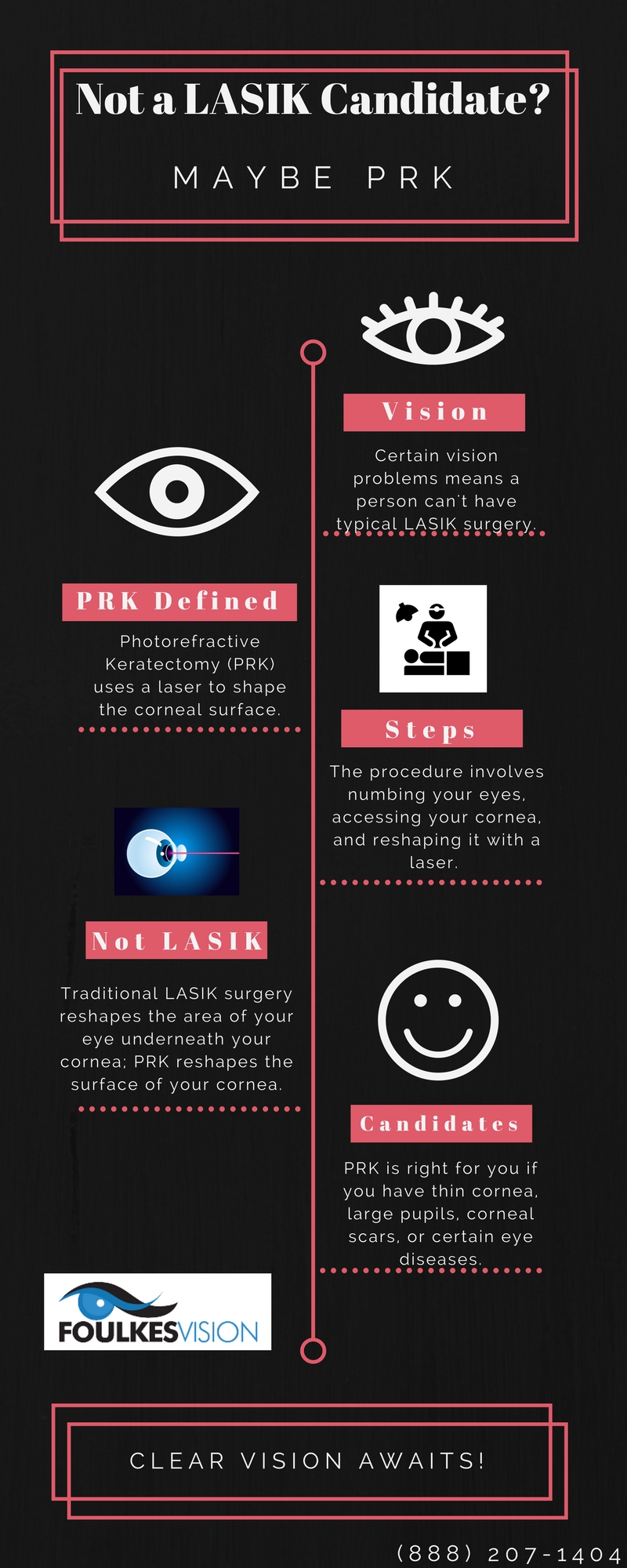
When considering lasik surgery techniques, several individuals often contrast the SMILE and PRK techniques. Both procedures are designed to correcting sight issues, yet they use different methodologies. https://www.businesswire.com/news/home/20210310005081/en/Price-Vision-Group-Participating-in-Clinical-Study-of-Investigational-Growth-Factor-Treatment-for-Eye-Disorder-Fuchs-Endothelial-Corneal-Dystrophy , or Small Incision Lenticule Extraction, entails making a small incision to remove a lenticular tissue from the corneal surface, whereas the PRK procedure, or Photorefractive Keratectomy (PRK), modifies the corneal structure by removing the top layer of cells before applying the laser technology. Such essential variation substantially impacts recovery times and possible advantages for those undergoing the procedures.
Regarding healing, SMILE typically offers a faster healing process with less pain after the procedure compared to the PRK method. Individuals who have SMILE can often return to regular activities within a few days, while PRK can necessitate many days to weeks for complete sight recovery due to the healing of the surface of the cornea. Moreover, SMILE reduces the chance of problems such as the formation of haze, which is more likely with PRK due to the removal of the corneal epithelial layer.
The price can also be deciding factor for numerous people. Though SMILE may carry a more expensive initial cost due to its innovative technique and method, it is important for patients to evaluate the advantages of quicker healing and reduced pain against the financial aspects. Ultimately, the choice between the SMILE technique and PRK will hinge on the preferences of the patient, particular vision correction goals, and conversations with qualified eye care professionals.